









Inappropriate husbandry and diet are among the main reasons for the presentation of birds and reptiles in veterinary practice. One of the reasons for this is that it is often difficult to imitate or replace all conditions of the natural habitat from which a species originates. Many of the avian and reptile species kept as pets originate from tropical regions with a completely different climate and significantly more sunlight, which is crucial for the production of vitamin D. The diet is also generally different; in the wild, animals have access to a much broader variety of food items and many plants or animals are either unavailable or unsuitable in captivity (Fig. 1). The nutrient content of the diet is therefore often significantly different in managed care. Seeds, for example, are typically low in vitamins A and D, but also in calcium (Harper and Skinner 1998; Koutsos 2016). There is also a similar problem with insects, which should be gut-loaded with high-quality feed before being offered to animals (Boyer and Scott 2019). Carnivorous species should preferably be given whole prey, because the nutrient content in the organs such as the liver is naturally different from that available in pure muscle meat.
-
-
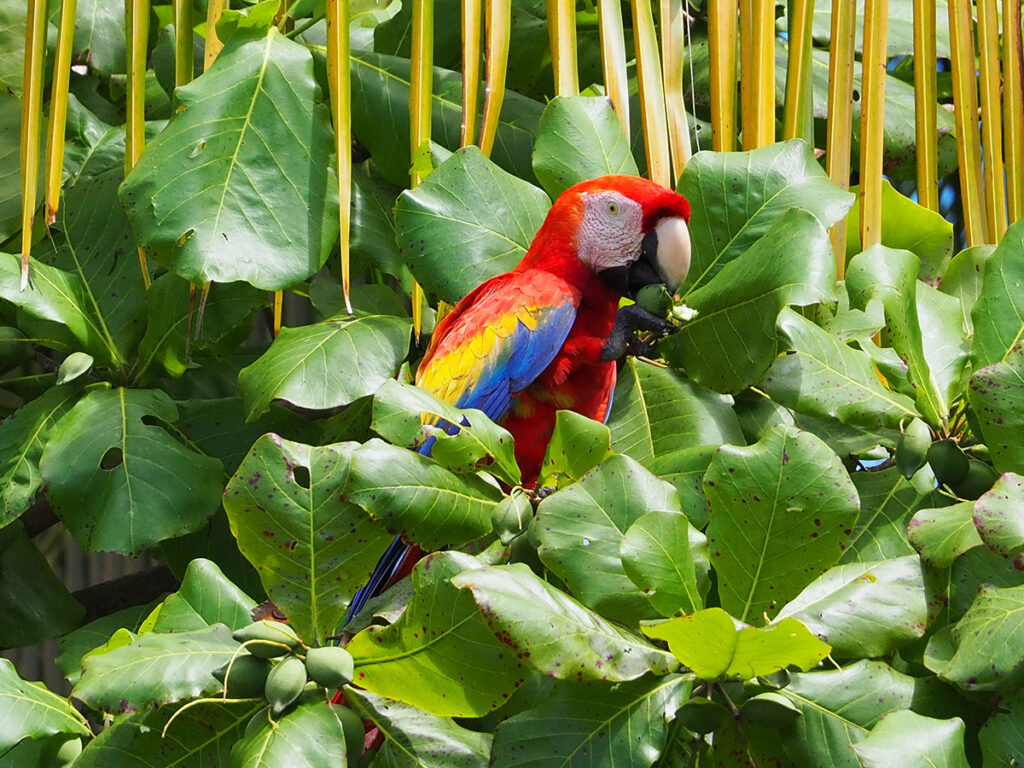
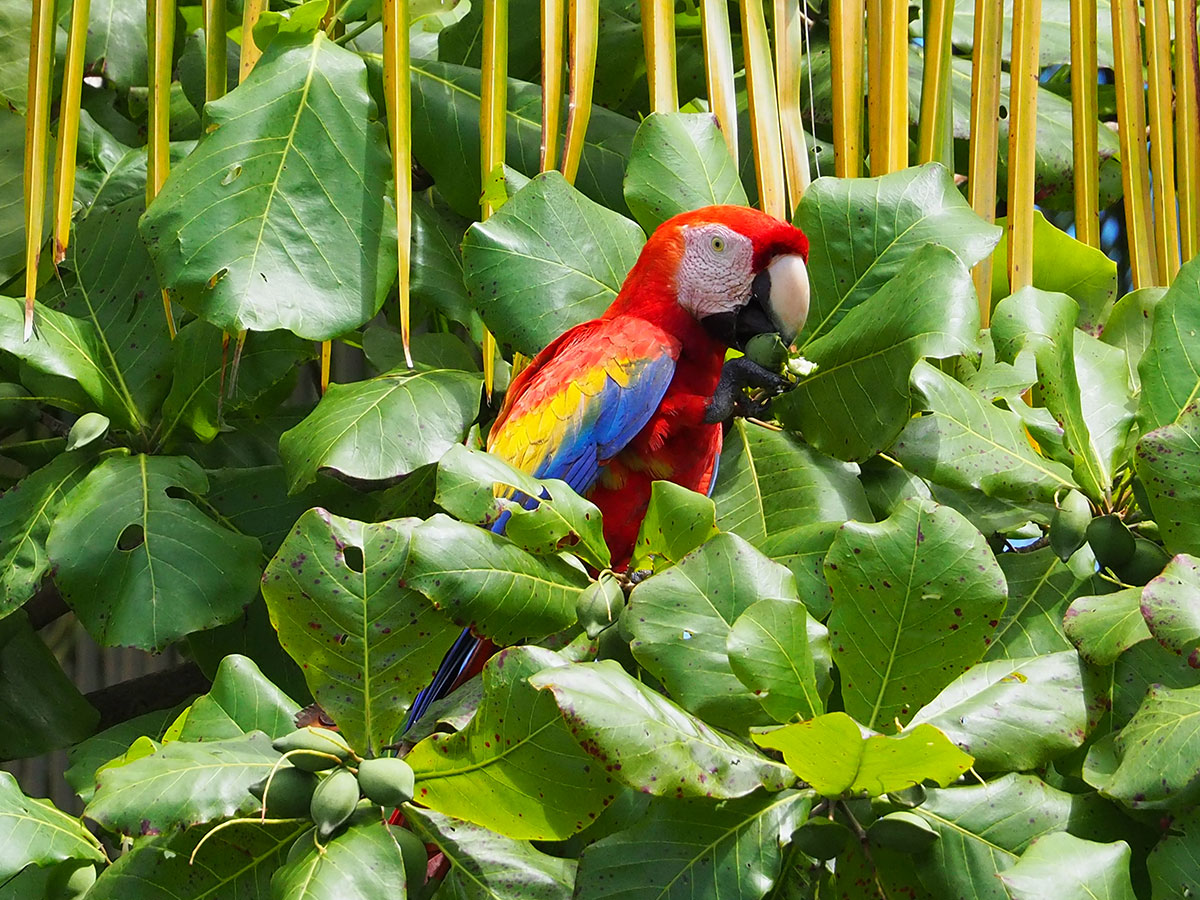
Fig. 1: Scarlet macaw (Ara macao) eating fruits of the beach almond (Terminalia catappa) in Costa Rica
Source: C. Leineweber
Vitamins are essential for the body and have a wide range of functions:
- Vitamin A (retinol) is important for vision, reproduction, embryonic development, the immune system, bone metabolism, haematopoiesis, and epithelial tissue. Many herbivores can metabolize β-carotene from the diet into vitamin A and utilise it, which means that deficiencies are less common in these species.
- Vitamin B1 (thiamine) is important for the nervous system; neurological disorders caused by a thiamine deficiency are particularly common in piscivorous species, as thiaminasesynthetising bacteria are often found in fish.
- Vitamin B2 (riboflavin) is an important enzyme for oxidative processes.
- Vitamin B3 (niacin) plays a role in nutrient absorption and digestion, hormone production, and blood circulation.
- Vitamin B5 (pantothenic acid) is important for carbohydrate and fat metabolism and the synthesis of cholesterol.
- Vitamin B6 (pyridoxal) is important for amino acid and lipid metabolism and the synthesis of epinephrine and norepinephrine.
- Vitamin B7 (biotin) plays an important role in carbohydrate, fat, and protein metabolism as a cofactor for various enzymes.
- Vitamins B9 (folic acid) and B12 (cobalamin) are important for haematopoiesis.
Most B-vitamins are synthesised by bacteria in the digestive tract of herbivorous species, so deficiencies rarely occur in these animals.
- Vitamin C (ascorbic acid) acts as an antioxidant and is an important coenzyme in protein and collagen metabolism.
- Vitamin D, especially Vitamin D3 (cholecalciferol), is important for calcium, phosphate, and magnesium regulation and plays an important role in bone metabolism.
- Vitamin E (tocopherol) is an important antioxidant and, together with selenium, plays a key role in fat and muscle metabolism. Vitamin E deficiency has also been reported in various reptiles, particularly carnivorous species such as crocodiles, snakes, lizards and sea turtles.
A common response to potential vitamin deficiencies is to add high concentrations of vitamins and trace elements to the diet; however, excessive supplementation of certain nutrients can also cause health issues. The best-known over- supplementation in reptiles is hypervitaminosis A in tortoises, which can lead to massive detachment of the skin and should be avoided. Excessive vitamin D intake can also lead to calcium deposits in various organs.
The next question is how to determine whether an animal is sufficiently supplied with all essential vitamins. This classification is not straight forward – one must first distinguish between two groups of vitamins: fat-soluble vitamins, such as A, D, E, and K, and water-soluble vitamins, including B1, B2, B3, B5, B6, B9, B12, and C. Fat-soluble vitamins are stored in the liver but also in fatty tissue, which means on the that, on the one hand, a deficiency does not immediately lead to clinical signs, but on the other hand, organ samples such as liver biopsies are required to completely evaluate an animal’s vitamin balance. A study in cockatiels (Nymphicus hollandicus) showed that birds did not develop clinical deficiencies even after two years without vitamin A in their diet (Koutsos et al. 2003). However, the storage of fat-soluble vitamins also increases the risk of intoxication, as these vitamins can accumulate in the body over time when consistently consumed in excessive amounts. In contrast, water-soluble vitamins are stored in the body for only a short time (typically a few days), meaning deficiencies can develop more rapidly, while intoxications are less common because excess amounts are readily excreted – often via the urine, as with most B vitamins and vitamin C. One way to determine the vitamin status is to measure vitamin levels in the blood, however, it should be noted that such measurements only reflect circulating concentrations at the time of sampling, which are influenced by recent dietary intake and the release from body stores.
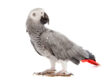
In birds and reptiles, there are also a number of factors that need to be considered when interpreting blood vitamin levels. For example, our own studies have shown that access to natural sunlight has a positive effect on vitamin D levels in the blood of tortoises and turtles (Testudo hermanni and Trachemys scripta) (Geisler et al. 2023) and African grey parrots (Psittacus erithacus). Diet also clearly influences vitamin levels in the blood, for example the vitamin D levels in the blood of African grey parrots were higher when they were fed with various supplements. In tortoises, there were also seasonal differences, with the highest vitamin B1, B2, and B6 levels in Hermann´s tortoises (Testudo hermanni) measured in the summer.
One explanation for this is that the animals do not ingest any nutrients in winter due to hibernation and vitamin levels are therefore very low in spring and then rise in summer due to the increased dietary intake. Over the course of the summer, however, the nutrient content in the plants changes (the proportion of crude fibre increases) as does the plant spectrum consumed, so that the values drop again in autumn. Sex also influences the blood levels of some vitamins. For example, we found that female Hermann´s tortoises had lower levels of vitamins A, B1, and B2, but higher levels of vitamin E than males. Higher vitamin E values were also found in female pond sliders (Trachemys scripta) (Leineweber et al. 2025). The reason for this could be hormone-induced differences in metabolism between the sexes and the fact that females incorporate vitamins and other nutrients into the egg during vitellogenesis. These factors make it difficult to establish reference intervals for each species. Nevertheless, a measurement can be useful, especially in cases of suspected hypo- or hypervitaminosis, in order to confirm the suspicion and to monitor the course of the therapy.
We now offer a new vitamin profile for birds and reptiles that includes vitamins A, D2, D3, and E, requiring 500 μl of serum or heparin plasma. Other vitamins can also be measured individually.
Dr. Christoph Leineweber